
Is Kachin Diabetes Solution worth it?
Worth a look (5.0/10). Kachin Diabetes Solution is a cheap, one-time digital guide, which limits the financial damage if it doesn't help. But almost everything used to sell it collapses under a plain reading: an indigenous tribe with zero diabetes cases, a fired pharma insider who conveniently vanishes from the story, a 456-person in-house trial with no publication anywhere, and a page that can't agree with itself on whether the refund is 60 or 180 days. The reference list does cite real studies, including the genuine 2008 ACCORD trial on intensive glucose control, but the page stretches what those studies actually showed to fit a narrative. Nothing here should replace a doctor's diabetes management plan.
What we liked
- Low, one-time price ($37) with no recurring charge found
- 60-day refund through ClickBank, a well-known and workable process
- Instant digital delivery, nothing to ship or wait for
- Reference list does include some real, checkable studies, including the 2008 ACCORD trial
What we didn't
- Core success statistic (456 people, 100% results) is unpublished and unverifiable
- Refund window is stated as both 60 and 180 days on the same page
- Physical-product refund wording left over from a supplement template
- Key supporting claims (tribe's diabetes rate, insider's credentials) cannot be sourced
- Heavy fear and urgency language throughout the sales narrative
What is Kachin Diabetes Solution?
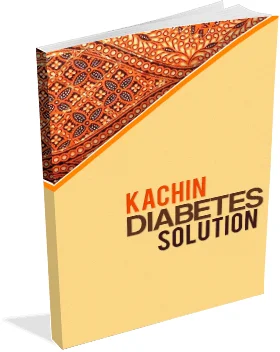
Kachin Diabetes Solution is a digital guide sold as a 30-day protocol to reverse type 2 diabetes by lowering insulin levels rather than only blood glucose. The core pitch, told through a long personal story from a man named John Gootridge, is that the Kachin people of Myanmar rarely get diabetes because of specific foods, spices and lifestyle habits, and that a researcher named Nyan turned those habits into a step-by-step system.
The package includes the main guide plus two named bonuses (a Fitness for Diabetes guide and a Blood Sugar Lowering Cookbook) and, at checkout, a larger free bundle described as 11 additional books and videos on topics from heart health to sleep. The sales page states the plan involves specific spices, detox plans, two named nutrients and one cooking oil, without listing exact ingredients, amounts or a citable source for each claim inside the guide itself.
It is sold through ClickBank, which processes payment, appears on the buyer's card statement, and handles the refund.
Format: Digital e-book (30-day protocol) plus bonus guides, instant download. Sold by: Kachin Diabetes Solution (sold through ClickBank).
What do you get with Kachin Diabetes Solution?
This is a digital product, so there is no label to check. Here is what the sales page says you receive.
- Kachin Diabetes Solution main guide: a 30-day protocol described as diet, spice and lifestyle changes to lower insulin and blood glucose
- Fitness for Diabetes Guide (bonus): low-impact home workouts
- Blood Sugar Lowering Cookbook (bonus): recipes built around ingredients described as used by the Kachin people
- Revitalize and Restoration bundle (order-page bonus): described as 11 additional books and videos covering heart health, joint health, sleep, general "natural cures" and walking for weight loss
Do the Kachin Diabetes Solution claims hold up?
"An indigenous tribe... had never reported a case of diabetes" and this is the basis for a scientifically proven protocol
We found no published study, health ministry data or independent source cited anywhere on the sales page or the references page to support a specific zero-diabetes rate for the Kachin people. Lower diabetes prevalence in parts of rural Myanmar versus the US is plausible given diet and activity differences generally seen between rural and industrialized populations, but that is a different claim from "never reported a case," which the page does not source.
Insulin itself, not just high blood sugar, is the primary driver of harm, citing the UK General Practice Database, a Saskatchewan cohort and a Dutch database
Research on intensive insulin/glucose-lowering strategies and outcomes is real and the general shape of the argument (that forcing glucose down with high insulin doses is not risk-free) has support, most notably the 2008 ACCORD trial, which stopped its intensive-treatment arm early after excess deaths. But ACCORD does not show insulin is more dangerous than high blood sugar in general, and the specific named cohort studies were not independently verifiable from the citations given; the page reduces a genuinely complicated, still-debated area of endocrinology to a single simple cause.
456 people tried the protocol and "all 456... were able to reach healthy A1C levels"
This is presented as the company's own trial with no publication, no named clinic beyond a passing mention of "the Chicago Center for Diabetes," and no data available to check. A 100% success rate across 456 people, with no dropouts and no non-responders, is not how real clinical outcomes look and cannot be verified from anything on the page.
Testimonial from "Susan Felton" describing blood sugar dropping from 390 to 128 mg/dL in just over 30 days
No independent verification is offered (no clinic name, no before/after lab report). Individual results in unverified testimonials are not evidence the program works for anyone else, and a drop of that size in a person with reported kidney issues would normally involve significant medical supervision, which the story does not describe.
How much does Kachin Diabetes Solution really cost?
| Option | Total | Per month | Shipping |
|---|---|---|---|
| Kachin Diabetes Solution + bonuses | $37 | One-time | Instant digital download |
The full package, main guide plus the two named bonuses, is a single one-time payment of $37 charged through the ClickBank order form. We verified this directly on the encrypted checkout page. There is no subscription, no recurring charge and no tiered bundle; the $37 figure covers everything offered at checkout, including the larger 11-item bonus bundle added at the order page.
As a one-time digital purchase, $37 is inexpensive next to typical ClickBank supplement funnels that run $49 to $69 a month. The real cost of a product like this isn't the price, though, it's the risk of delaying or replacing evidence-based diabetes management with an unverified lifestyle story.
Nothing is shipped. The guide, cookbook and bonus books are delivered as digital downloads after payment, though the sales page also calls it a "hard cover book" in one sentence.
Can you get a refund on Kachin Diabetes Solution?
60-day window. The sales page mostly promises a 60-day, no-questions-asked refund, and the ClickBank order form confirms 60 days. One paragraph near the order button instead says "try it risk free for 180 days", which contradicts the rest of the page; we used the order form's 60 days as the binding figure. The refund text also tells you to "send us the empty/remaining bottle(s)", boilerplate left over from a supplement page that makes no sense for a digital download.
Step by step: find the ClickBank receipt email, look up the order at clkbank.com and ask for a refund in writing. Our ClickBank refund guide covers returns, extra offers and auto-ship.
Which red flags did we find?
- Refund window is inconsistent on the same pageMost of the sales page and the ClickBank order form say 60 days. One section right before the order button instead promises "180 days", which the order form does not honor.
- Physical-product language on a digital guideThe guarantee section asks you to send back "empty/remaining bottle(s)" for a refund, boilerplate copied from a supplement funnel and never edited for an e-book.
- Unverifiable in-house trial456 participants with a claimed 100% success rate, with no publication, no named principal investigator beyond "Nyan," and no data to inspect.
- Disappearing sourceThe pharma insider "Eric" who supposedly reveals the science behind the program is never named beyond a first name and never reappears after providing the page's central claim.
- Fear-based urgency tacticsRepeated lines that "lawyers are doing everything to take down this website" and that the reader is at a "crossroads" between this $37 guide and heart attack, stroke or amputation are classic scarcity and fear pressure, not information that helps you decide.
Who should buy Kachin Diabetes Solution, and who should skip it?
It may suit you if
- You already work with a doctor to manage type 2 diabetes and want a cheap, low-risk lifestyle and recipe guide to read alongside that care, not instead of it.
- You want to try a low-cost, one-time digital purchase and are comfortable requesting a ClickBank refund within 60 days if it doesn't hold up.
Skip it if
- You are looking for a way to reduce or stop diabetes medication or insulin on your own. Never change a diabetes treatment plan without your doctor; the page's suggestion that insulin itself is the main danger could lead someone to stop treatment they still need.
- You want claims backed by a study you can actually read. The page's central success statistic (456 people, 100% success) has no publication behind it.
- You are drawn in by the tribe-and-insider narrative structure. The same story beats (a secret from an indigenous group, an insider who reveals hidden research, a specific participant count) appear across many similar ClickBank health offers, which suggests marketing template over documented discovery.
How we assessed this
We did not buy or use Kachin Diabetes Solution. This review audits the offer as it appeared on September 28, 2026. We read:
- The Kachin Diabetes Solution video sales page and its text version (kachindiabetessolution.com/index-text-cb) reached through our ClickBank link
- The site's own References page listing its cited studies
- The ClickBank order form for the product, including its stated price and 60-day return window
- The 2008 ACCORD trial (NEJM/PubMed) referenced on the site as support for the insulin-toxicity argument
- The site's disclaimer, guarantee and about-us pages
Sources
- ACCORD Study Group, effects of intensive glucose lowering in type 2 diabetes (PubMed)
- Kachin Diabetes Solution: references page (site's own cited studies)
- ClickBank customer support (orders and refunds)
Scores: evidence 3, price 7.5, refund 7, transparency 2.5. How we score.
Want a second opinion?
Worthorpass reviews the same offer from the checkout side: the real price on the order form, billing terms and delivery. Read the Worthorpass offer review of Kachin Diabetes Solution and compare it with our dose and price audit above.
Kachin Diabetes Solution FAQ
Is Kachin Diabetes Solution legit?
It is a real digital product sold through ClickBank with a working 60-day refund, so it is not a scam in the sense of taking your money and vanishing. But its central evidence, a company-run trial of 456 people with a claimed 100% success rate, is unpublished and cannot be checked, and the surrounding origin story cannot be verified either.
How much does Kachin Diabetes Solution cost?
It is a one-time payment of $37 for the main guide and its two named bonuses, confirmed on the ClickBank order form. A larger bonus bundle is added at checkout at no extra charge. We found no subscription or recurring billing.
What is the refund policy?
The ClickBank order form and most of the sales page state a 60-day, no-questions-asked refund. One section of the page also mentions 180 days, which conflicts with the order form; treat 60 days as the real window and request it through clkbank.com with your order details.
Can this replace my diabetes medication or insulin?
No. This is a lifestyle and recipe guide, not a medical treatment, and it should never be used to justify stopping or reducing medication or insulin on your own. Any change to a diabetes treatment plan should go through your doctor.
Does the Kachin tribe really have zero diabetes?
The sales page makes this claim but does not cite a source for it, and we found no independent data confirming a zero rate for that specific population. Lower diabetes rates in some rural, less industrialized populations are plausible in general, but that is a different, weaker claim than the page makes.